You might have already put the garden tools away, pulled out the frost blankets, and prepared for the first hard chill of fall. Meanwhile, the weather seems to have misplaced its calendar.
Across 179 U.S. cities, the first fall freeze now arrives an average of 12 days later than in the early 1970s, according to an analysis of temperature records covering 1970 through 2024.
That accounts for 88% of the 204 cities studied, with rising autumn temperatures giving gardeners and farmers extra growing time, while also extending allergy and pest seasons.
First Fall Freeze Is Arriving Later in Nearly 90% of U.S. Cities
A first fall freeze occurs when the daily minimum air temperature reaches 32°F (0°C) or lower for the first time on or after August 1.
As autumn temperatures rise, reaching that threshold takes longer. Warmer nights are especially important because they can prevent temperatures from dropping below freezing.
Among the 179 cities experiencing later freezes, 70 have seen their first freeze move at least two weeks later, particularly across the Northeast, Ohio Valley, and Upper Midwest.
That 12-day national average applies specifically to cities with later freeze dates, not all 204 locations analyzed.
Some cities have experienced considerably larger changes. In Reno, Nevada, the average first freeze has shifted by 41 days.
That’s nearly six additional weeks before freezing temperatures typically arrive:
| City | First-freeze delay since 1970 |
| Reno, Nevada | 41 days |
| Bend, Oregon | 38 days |
| Santa Maria, California | 35 days |
| Toledo, Ohio | 29 days |
| Boise, Idaho | 29 days |
Some Cities Have Seen Nearly a Month of Additional Fall Warmth
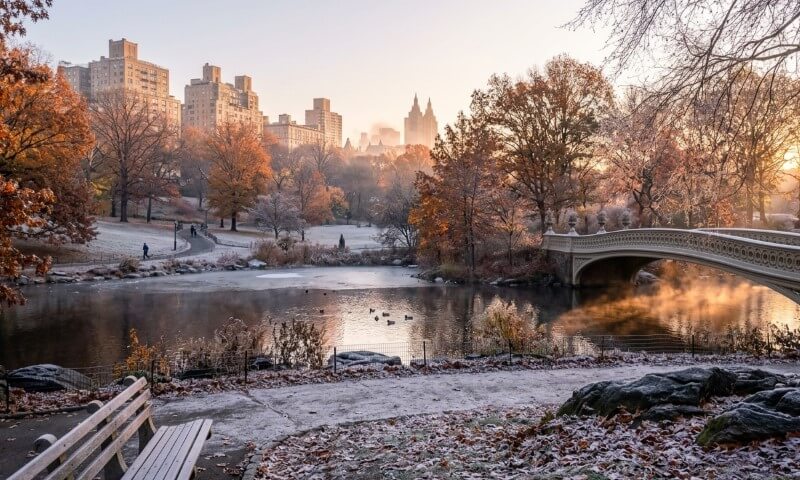
Minnesota offers a particularly striking example.
Average fall temperatures in the Twin Cities have increased by more than 5°F since 1970. Back then, the first freeze typically arrived in late September or early October. Today, it tends to arrive nearly a month later.
Unfortunately, freezing temperatures haven’t agreed to follow the same schedule everywhere.
Dothan, Alabama, has experienced a 16-day shift toward earlier freezes. Waco, Texas, has seen an 11-day shift, while Charlotte, North Carolina, has recorded a 10-day shift toward earlier freezing conditions.
Local weather patterns, geography, and temperature variability all influence freeze dates. A warming national trend doesn’t guarantee an extra month of gardening in every backyard.
Why Later Freezes Matter for Allergies, Agriculture and Fall Foliage
An extra couple of weeks without freezing temperatures sounds helpful until the mosquitoes and ragweed decide to enjoy them too.
Longer, warmer autumns can affect several familiar seasonal patterns:
| Area | Potential Benefit or Change | Possible Drawback |
| Allergies | Ragweed grows later into fall. | Longer pollen exposure. |
| Agriculture | More time for planting and harvesting. | Less winter chilling for some fruit and nut crops. |
| Pests | Insects stay active longer. | Extended mosquito and pest activity. |
| Fall foliage | Warmer nights delay seasonal changes. | Leaf colors may appear later or become less vibrant. |
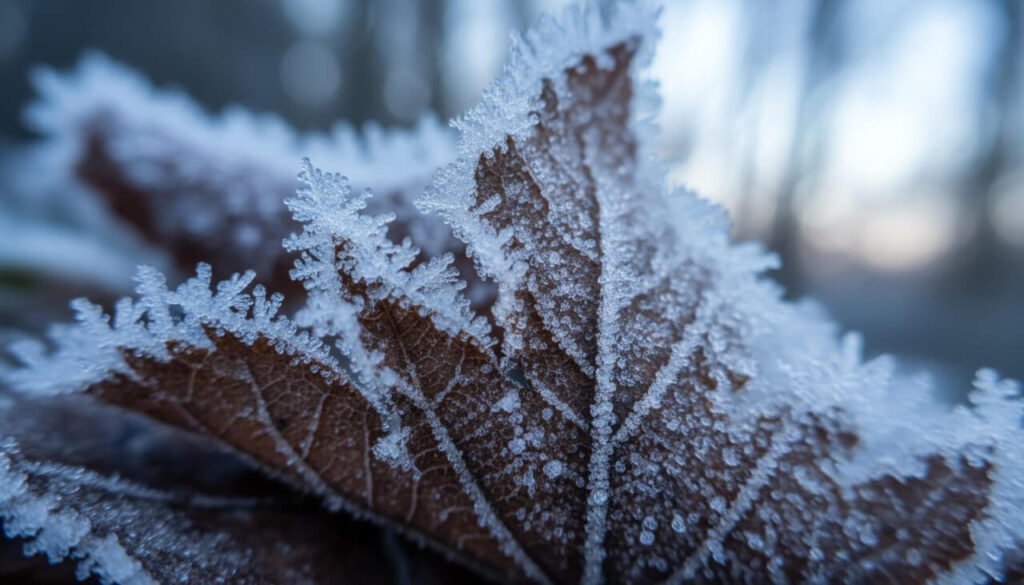
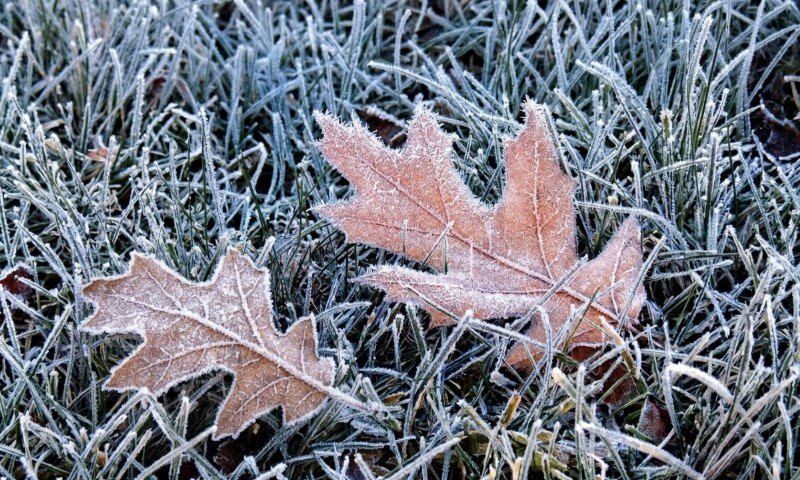
One detail matters especially for gardeners: A first freeze is not the same as a first frost. Frost can develop on plant surfaces even when official air temperatures are slightly above 32°F.
Your tomatoes may therefore suffer cold damage before the weather station records its first freeze.
What the Changing Freeze Dates Mean for This Fall
A later average freeze date isn’t permission to leave frost-sensitive plants unprotected until November.
Longer autumn warmth can keep cool-season grass growing later than expected. If your lawn still needs another trim , knowing when to stop mowing the lawn in fall and how short to cut it last time can help you avoid putting the mower away too early.
Researchers examined NOAA daily temperature observations covering 1970 through 2024, excluding locations without consistent freezing seasons.
Results describe long-term changes, not the exact date freezing temperatures will arrive in fall 2026.
We recommend checking local National Weather Service forecasts and frost advisories before deciding when to cover plants, finish harvesting, or shut down outdoor irrigation.
Use historical freeze dates for planning, but let the forecast make the final call. Autumn is getting warmer across much of the country, although a single cold night can still end the gardening season earlier than expected.